Catch the Cactus Forest Before the Heat
Both cactus forests at first light — which district to pick, what the $25 seven-day pass covers, Bajada and Cactus Forest loops, and summer hours.
In June the smart move is showing up before the visitor centers open. One pass covers both districts for a week.
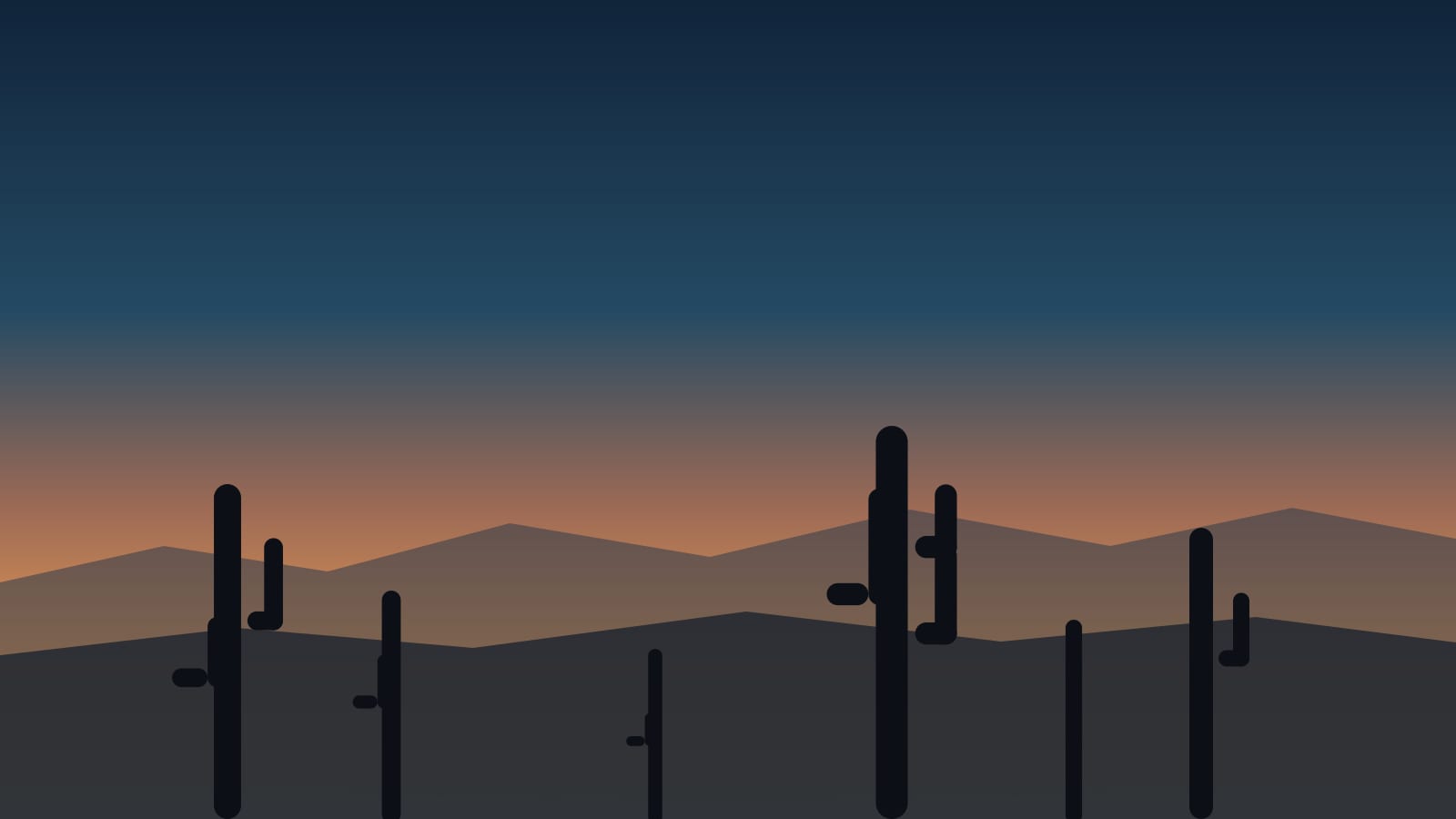
In June, the smart move at Saguaro National Park is to show up before the visitor centers even open. The park's two cactus forests — the Tucson Mountain District about 10 miles west of downtown and the Rincon Mountain District about 10 miles east — are at their best in the cool hour after sunrise, when the light is long and the saguaros throw shadows clear across the desert floor.
- 91,716
- Acres across two districts
- $25
- Per vehicle, good 7 days, both sides
- ~40 ft
- How tall a mature saguaro grows
- 8 a.m.
- Visitor centers open (summer hours)
Two Parks, One Pass
Saguaro National Park splits into the Tucson Mountain District on the west side and the Rincon Mountain District on the east, with the city sitting in between. A single pass — $25 per vehicle, $20 per motorcycle, or $15 on foot or bike — covers both districts for seven days, so there is no reason to cram it into one trip. The west district is the denser stand, with saguaros packed shoulder to shoulder across the bajada, and its Bajada Loop Drive is a 6-mile graded dirt road. The east district's Cactus Forest Loop Drive is 8 paved miles climbing into the Rincon foothills, home to some of the park's oldest and tallest saguaros. Visitor centers on both sides run 8 a.m. to 4 p.m. in summer (June 1 through September 30).
Why June Mornings, Specifically
Two reasons. First, the heat: a Tucson June afternoon is no time to be out among the cactus, so the cool window is the hour or two right after sunrise. Second, the timing of the plants themselves. The saguaro blossom — Arizona's state flower — blooms from May into the first week of June, white petals with golden centers that open at night and last only about 24 hours each. By mid-to-late June those flowers are giving way to bright red fruit that ripens at the tips of the arms in late June and early July, a harvest long central to the Tohono O'odham. Show up now and you can catch the tail end of one and the start of the other.
How to Actually Do It
- West Side — Tucson Mountain District (~10 mi west, Bajada Loop, 6 mi dirt, Densest saguaros): The Bajada Loop Drive is a 6-mile graded dirt road through the park's thickest cactus stands, with pullouts, picnic areas, and short trailheads along the way. It sits next door to the Arizona-Sonora Desert Museum and Gates Pass, so it pairs naturally with a full west-side morning.
- East Side — Rincon Mountain District (~10 mi east, Cactus Forest Loop, 8 mi paved, Oldest stands): The paved 8-mile Cactus Forest Loop Drive is the easy entry point, threading scenic vistas and trailheads as it climbs into the Rincon foothills, where the park's oldest and tallest saguaros stand. Good for a slow drive with short walks.
- Before You Go (Bring water, Dawn start, $25 / 7 days): Carry more water than you think you need, start by 7 a.m. to beat the midday heat, and remember the pass works at both districts for a full week — an easy way to split the west and east sides across two cool mornings.
A Bit of History — and a Slow-Growing Giant
The park began as Saguaro National Monument in 1933, protecting the Rincon Mountain stands east of town. The Tucson Mountain District west of the city was added in 1961, and Congress combined the two into a full national park on October 14, 1994 — 91,716 acres in all. The saguaro itself (Carnegiea gigantea) grows only in the Sonoran Desert, adds just an inch or so a year, does not sprout its first arms until somewhere between 50 and 100 years old, and can live past 150 years. The giants lining these drives, in other words, are older than the protections around them.
What It Costs to Live Near the Cactus
Both districts butt up against residential Tucson — the west side near the Tucson Mountains (the 85743 and 85745 areas) and the far east near the Rincons (around 85748 and 85730). Citywide, the median Tucson home sold for roughly $320,000 over the three months ending May 2026, down about 1.6% year over year, with homes going under contract in around 65 days, per market-trend data. Lots that back directly onto park or preserve land tend to trade on the view and the trail access at the end of the street rather than on square footage alone. None of this is investment advice — just context for why the edges of the park draw steady interest.
Quick reference (June 14, 2026): Saguaro National Park has two districts — Tucson Mountain (west, about 10 miles from downtown) and Rincon Mountain (east, about 10 miles). Entry is $25 per vehicle, $20 per motorcycle, or $15 on foot or bike, good for seven days at both. Summer visitor-center hours are 8 a.m. to 4 p.m. (June 1 through September 30). The west's Bajada Loop Drive is 6 miles of graded dirt; the east's Cactus Forest Loop Drive is 8 paved miles. Hours and fees can change — confirm with the National Park Service before heading out.
Cheap, Close, and Best at Dawn
Saguaro National Park is one of the rare big-ticket outings that stays cheap, stays close, and rewards you most for getting up early. In June that early start is the whole trick: arrive at first light, take a loop drive and a short trail before the heat sets in, and you have spent a morning inside one of the densest cactus forests on the planet for the price of a week's parking. Pick the west side for the thickest stands, the east for the oldest, or — with seven days on one pass — do both.
Sources
National Park Service — Saguaro National Park, Fees & Passes and Basic Information pages — nps.gov/sagu/planyourvisit/fees.htm — accessed June 14, 2026 (for the $25-per-vehicle, $20-per-motorcycle, $15-per-person entrance fees, the seven-day validity, and coverage at both districts). Friends of Saguaro National Park — "Tips for Visitors" — friendsofsaguaro.org/tips — accessed June 14, 2026 (for the summer visitor-center hours of 8 a.m. to 4 p.m., June 1 through September 30, and the seven-day, both-district pass). Discover Marana — "Ultimate Guide to Saguaro National Park" — discovermarana.org/things-to-do/parks/saguaro-national-park/ — accessed June 14, 2026 (for the two-district layout, the roughly 10-mile distances west and east of Tucson, and the 6-mile graded-dirt Bajada Loop Drive and 8-mile paved Cactus Forest Loop Drive). Wikipedia — "Saguaro National Park" — en.wikipedia.org/wiki/Saguaro_National_Park — accessed June 14, 2026 (for the 91,716-acre size, the 1933 national-monument designation in the Rincon Mountains, the 1961 addition of the Tucson Mountain District, and the October 14, 1994 national-park establishment). Arizona State Parks & Trails — "Saguaro Cactus Flower" — azstateparks.com/saguaro-cactus-flower — accessed June 14, 2026 (for the saguaro blossom as Arizona's state flower, the May-into-early-June bloom, the white-petal, golden-center, night-opening, roughly 24-hour flowers, and the late-June-to-early-July fruit). Arizona-Sonora Desert Museum — "Sonoran Desert Fact Sheet: Saguaro Cactus" — desertmuseum.org/kids/facts/ — accessed June 14, 2026 (for the saguaro growing only in the Sonoran Desert, reaching about 40 feet, growing roughly an inch a year, sprouting arms between about 50 and 100 years old, and living past 150 years). Redfin — "Tucson, AZ Housing Market" — redfin.com/city/19459/AZ/Tucson/housing-market — accessed June 14, 2026 (for the roughly $320,000 citywide median over the three months ending May 2026, the about-1.6% year-over-year change, and the roughly 65-day time on market). All data current as of June 14, 2026; park hours, fees, and bloom timing can change with the season and weather, and home prices vary by area, so readers should confirm current figures before relying on any single number. This post is for informational purposes only and is not an offer to sell or a solicitation of an offer to purchase real estate.
Topics
- Things to Do
- Saguaro National Park
- Tucson Mountain District
- Rincon Mountain District
- Sonoran Desert
- Saguaro
- Cactus Forest Loop Drive
- Bajada Loop Drive
- Tucson
- Outdoors